


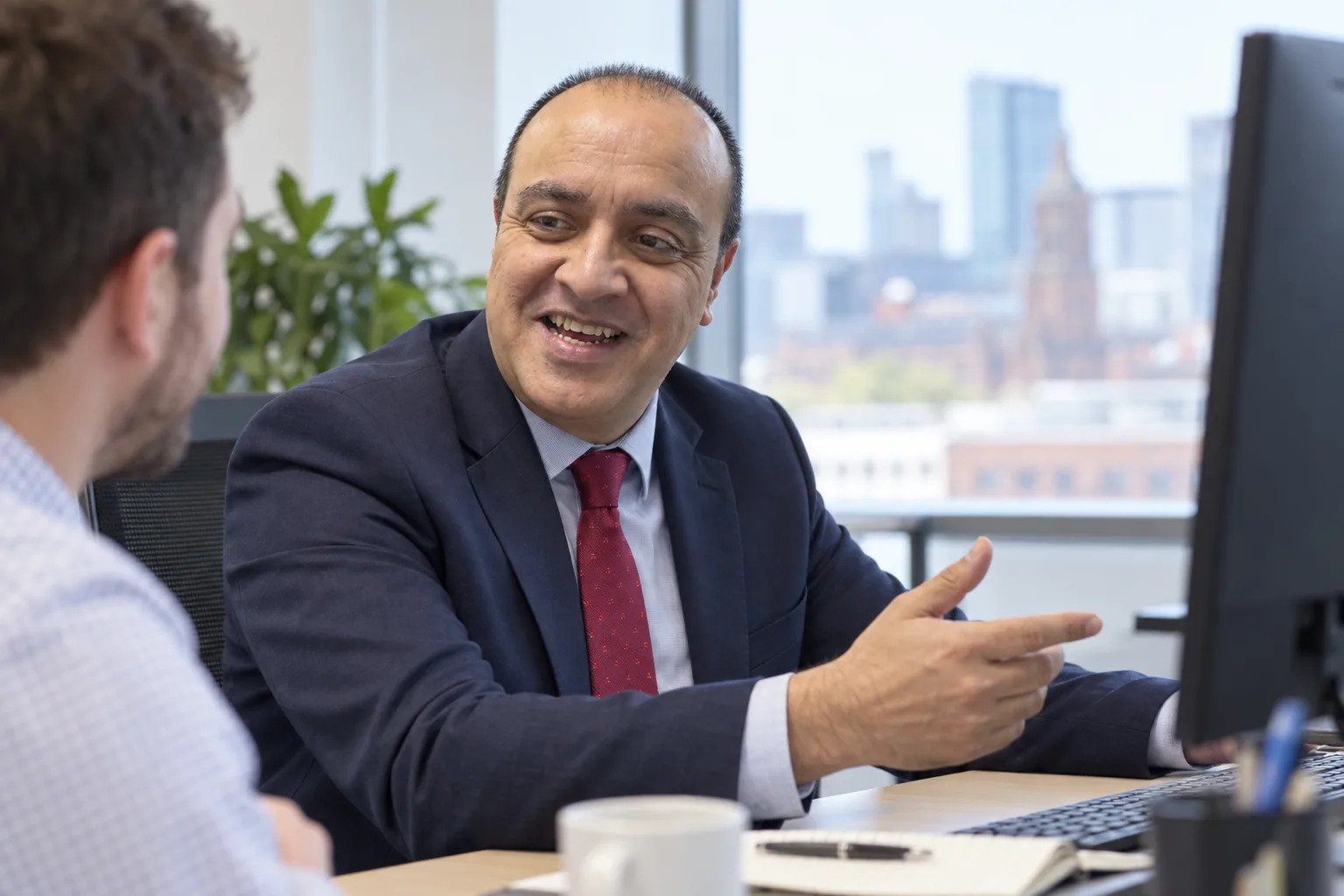
Michael Hele
Founder and visibility strategist
Michael connects commercial goals with website structure, search visibility and long-term digital strategy. His experience with computers began in the early 1980s and with the web in 1996.
Our tools have changed from cassette software and raw HTML to modern web platforms and AI search, but the purpose remains the same: make technology useful for the business using it.
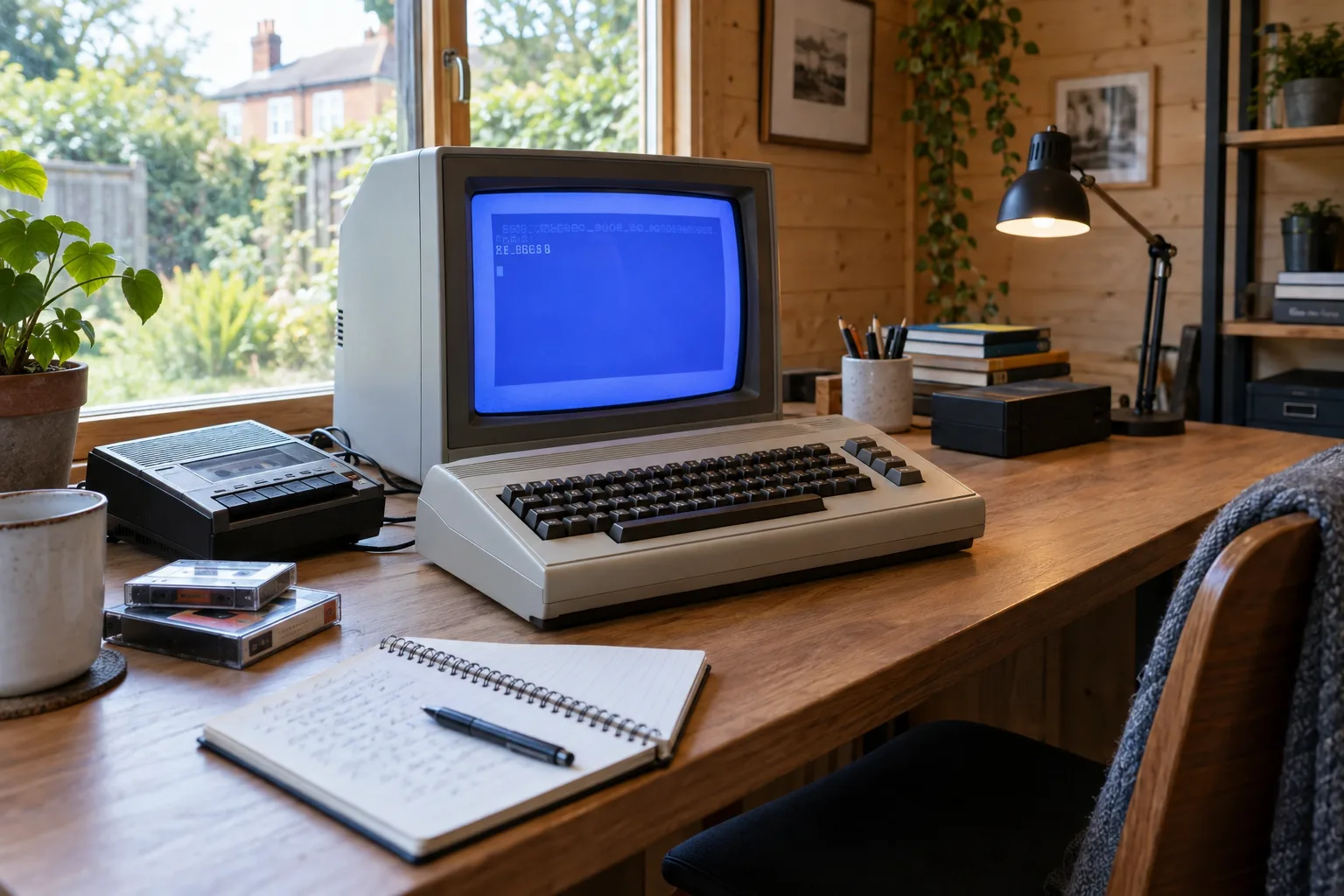
A working Commodore 64 still has a place in Michael's outside office. It is more than nostalgia. It is a reminder that useful technology starts with understanding the system, respecting its limits and making every line count.
That way of thinking carries into fast websites, lean code, accessible content and practical advice. We choose technology for the job rather than asking the business to fit the tool.
Website design, hosting, search, photography, video and AI visibility were not bolted together overnight. They developed through real projects and changing customer behaviour.
1983
The story began with Atlas Enterprises, working with home computers including the ZX81 and VIC-20, when programs arrived on cassette tape and curiosity mattered as much as documentation.
1989
Hele Solutions helped businesses introduce manufacturing and stock-control systems, grounding technical work in everyday commercial needs.
1996
We began building websites with raw HTML, Netscape Navigator Gold and Microsoft FrontPage. Concept Security became our first website customer.
2001
The web design side of the business gained its own identity, bringing website development, hosting and search marketing into one service.
2005
We began designing layouts that adapted to different monitor ratios years before responsive web design became standard practice.
2010
Mobile-friendly layouts became part of our normal process, while in-house photography gave clients more useful and distinctive visual material.
2012
Photography and videography developed from a personal interest into practical services for product, website and campaign content.
2018 onwards
Our work now connects technical SEO, accessible content, video, structured information and genuine third-party evidence so businesses can be understood across conventional and AI-assisted search.
The same core team contributes across projects, so decisions about content, code, search and support can be made together.
Founder and visibility strategist
Michael connects commercial goals with website structure, search visibility and long-term digital strategy. His experience with computers began in the early 1980s and with the web in 1996.

Copywriter and social media strategist
Neelam turns technical or specialist knowledge into clear, useful copy and helps brands communicate consistently across website and social content.
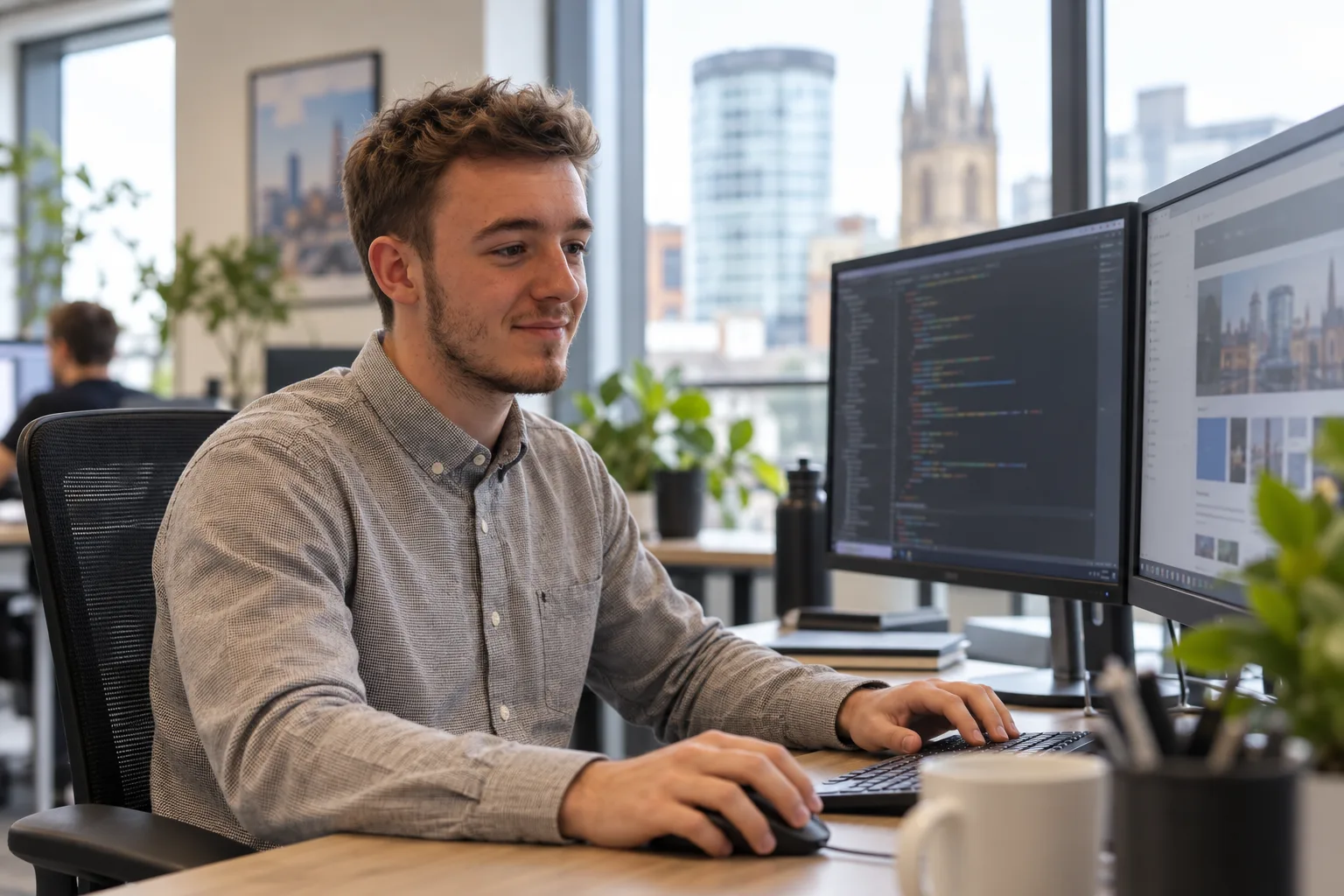
WordPress development specialist
Craig develops secure, manageable WordPress websites and supports projects that need custom functionality, WooCommerce or flexible content management.

AI marketing and GEO specialist
Stephenie works where traditional search meets AI-assisted discovery, helping content become clearer, more structured and easier to verify.

Server manager and infrastructure lead
Nick looks after hosting infrastructure, performance and security so the websites we support have a dependable technical foundation.
We use automation where it improves maintenance, research or security. We do not use it to invent reviews, credentials, project results or human experience. Important claims need evidence and people remain accountable for the outcome.
Our hosting uses renewable energy, and Michael has offset the business's carbon impact since 2008. Accessibility has also been part of our website practice for more than a decade.
Discuss a project with the team